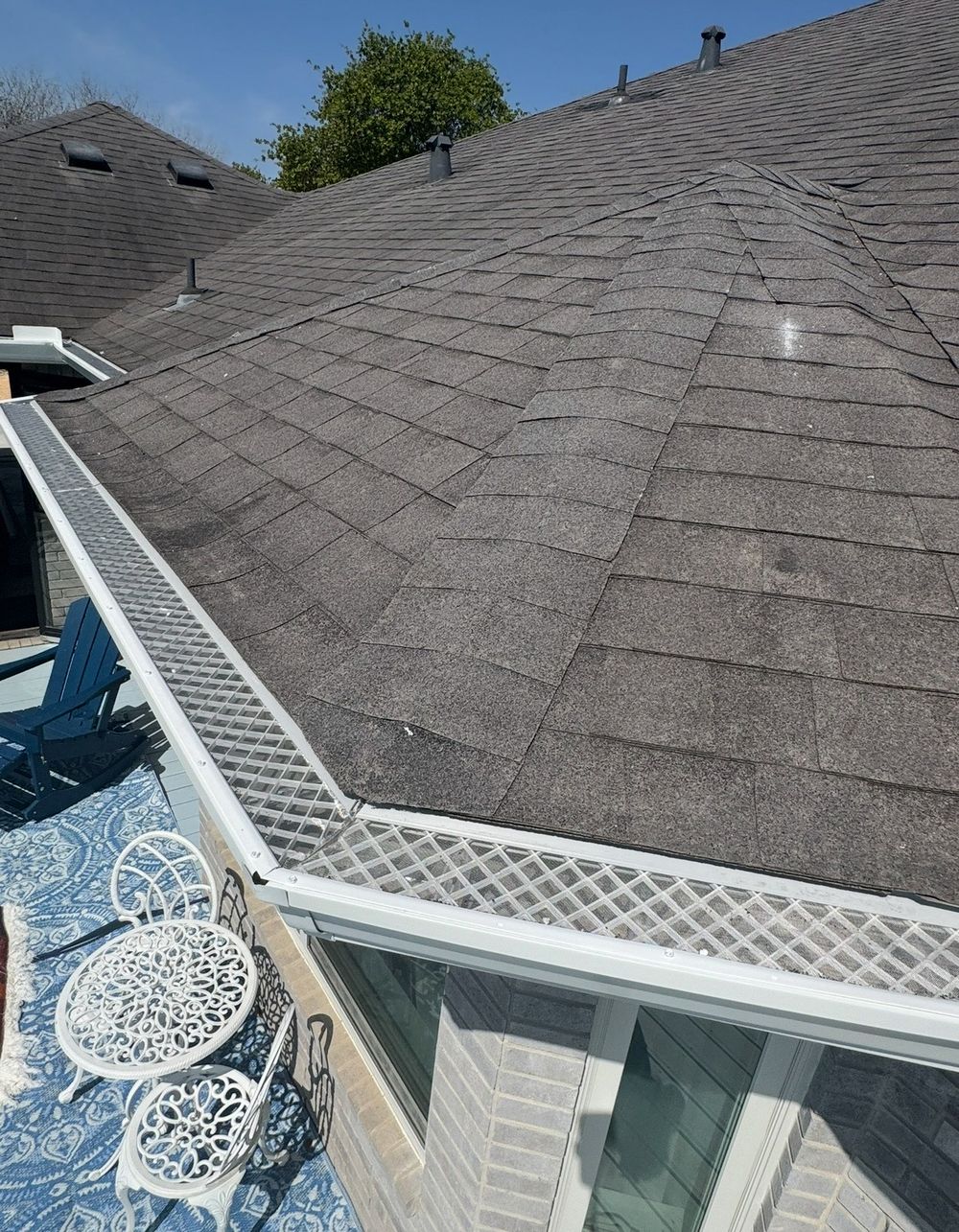
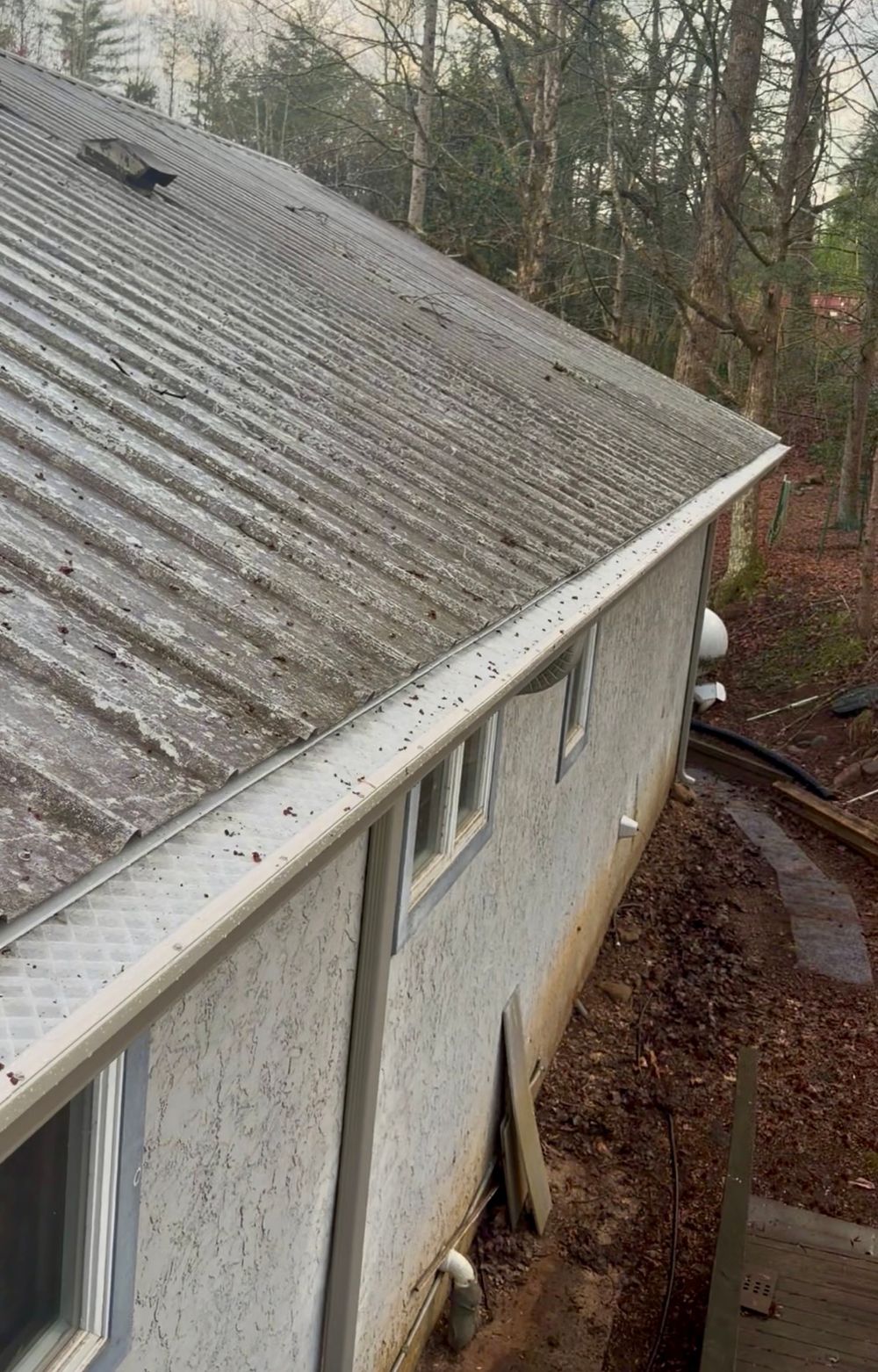
It's the most common — and most fair — question we hear at Upstate kitchen tables: "If a screen goes over my gutter, doesn't all the debris just pile up on top of it?" It's a smart thing to ask, because plenty of cheap gutter guards do exactly that. So let's give you the honest answer, then show you how quality micromesh is engineered to solve it.
The honest short answer
Yes, debris can rest on top of the mesh for a short time — especially during peak fall leaf drop or right after an Upstate storm. But here's the key distinction: that debris is sitting outside your gutter, not clogging the channel inside it. And in most cases it doesn't stay there.
Once leaves and needles dry out, they become light and are swept off by the next gust of wind, rinsed away by rain, or carried off by runoff sliding down the roof. The gutter underneath keeps flowing the entire time.
- Debris may rest on top briefly — but it stays out of the gutter channel.
- Dried leaves and needles blow and wash off with wind, rain and roof runoff.
- Surface tension pulls water through the mesh while debris stays on top.
- Micromesh handles pine needles that defeat brush, foam and screen guards.
How micromesh gutter guards actually work
The whole system comes down to physics — specifically, surface tension. Here's the three-step process:
Step 1 — The mesh blocks debris
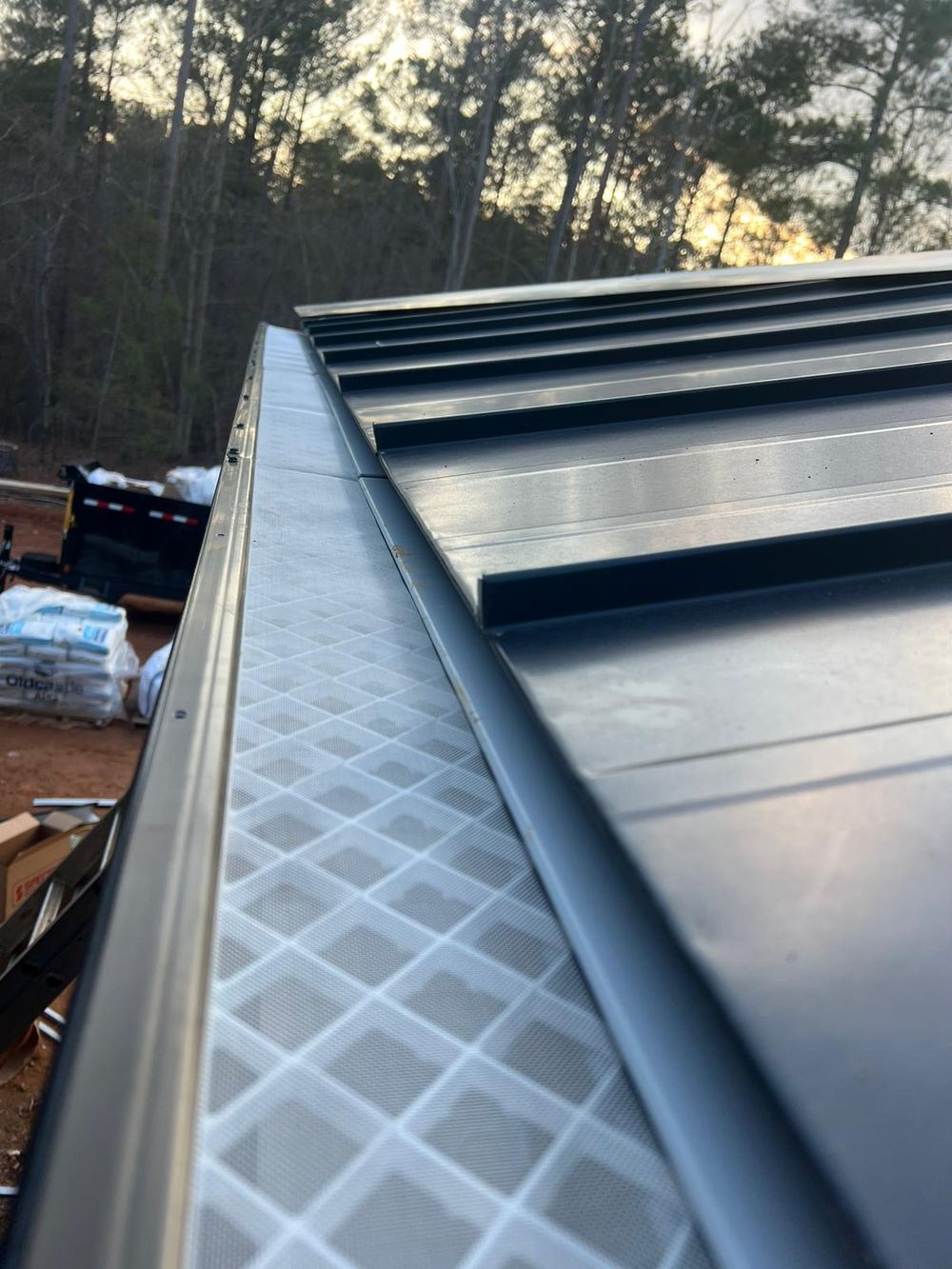
A fine stainless steel micromesh screen is installed over your existing gutter. Its openings are small enough to stop leaves, pine needles, shingle grit and seed pods before they can ever enter the channel.
Step 2 — Surface tension pulls water through
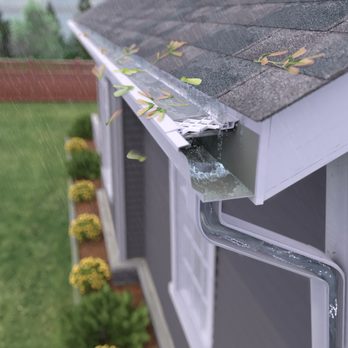
Water clings to surfaces as it flows. As rain sheets across the mesh, surface tension draws it down through the tiny openings — while solid debris, which can't bend through those openings, stays on top. This is why micromesh can use far finer openings than other guards and still keep up in heavy rain.
Step 3 — Water drains, debris is left behind
The water flows into your gutter and out the downspouts, keeping them clear and moving water away from your foundation. The debris is left sitting on the surface, where wind and rain do the rest.
"The goal was never to stop debris from touching the gutter. It's to keep debris out of the channel while water keeps flowing straight through."
— Upstate LeafFilter install teamSo what actually happens to debris on top?
Picture a wet oak leaf landing on the mesh after a storm. For a day or two it might cling there. Then it dries, curls, and turns feather-light — and the next breeze or rain shower lifts it off the smooth stainless surface and carries it to the ground.
Because the mesh sits at the pitch of your roofline, gravity and runoff are constantly working to move loose material off the edge. The result: your gutter interior stays clean, and the surface largely clears itself between weather events. How completely it self-clears depends on your specific tree cover and climate — which brings us to the tougher cases.
Why micromesh beats brush, foam & screen guards
Not all "gutter guards" are the same, and the cheap ones are exactly the products that give the whole category a bad name:
| Guard type | The problem |
|---|---|
| Brush inserts | Leaves and needles tangle into the bristles, trapping debris inside the gutter. |
| Foam inserts | Debris and seeds settle on top, break down, and grow weeds right in the channel. |
| Plastic/screen guards | Openings are big enough for shingle grit and pine needles to slip through and clog. |
| Stainless micromesh | Openings fine enough to block the smallest debris while surface tension pulls water through. |
The takeaway: the objection "debris just sits on top" is a real flaw of brush, foam and wide-hole screen products — where debris ends up inside the gutter. Fine stainless micromesh flips that script by keeping debris on the surface where weather can clear it.
The Upstate pine-needle test
Here in Greenville, Greer, Easley and across the Upstate, the real proving ground is the pine needle. Needles are thin enough to thread straight through most guards — which is why so many homeowners give up on gutter protection after a bad experience with a hardware-store screen.
Surgical-grade micromesh is specifically engineered with openings fine enough to block pine needles while still passing water. If you've got pines and oaks overhead — and most Upstate homes do — this is the difference between protection that works and protection that fails by the second season.
- Blocks pine needles, oak leaves, shingle grit and seed pods alike
- Keeps working in the heavy downpours common to Upstate summers
- Professionally fitted to your existing gutters and roofline
- Ends the twice-a-year (or more) ladder cleaning for good
See it on your own roofline
The best way to answer "does it really work?" is to watch it handle your trees. Book a free, no-pressure on-site demo and inspection — your written quote is good for a full year.
Does micromesh end all gutter maintenance?
Let's be straight: no gutter system is 100% maintenance-free, and any company that promises otherwise isn't being honest. What quality micromesh does is change the kind of maintenance you do.
Instead of climbing a ladder to scoop packed, rotting debris out of the channel two to four times a year, upkeep becomes an occasional glance and — in heavy tree or storm conditions — a quick surface wipe-down. That's a dramatic reduction in effort, risk and cost.
Backed by a no-clog warranty
Because the system is designed to keep your gutters clear, it's backed by a lifetime, transferable no-clog warranty. If debris ever passes through and causes a clog, it's taken care of at no charge. And since the warranty transfers to the next owner, it's a documented upgrade that adds resale value to your Upstate home.