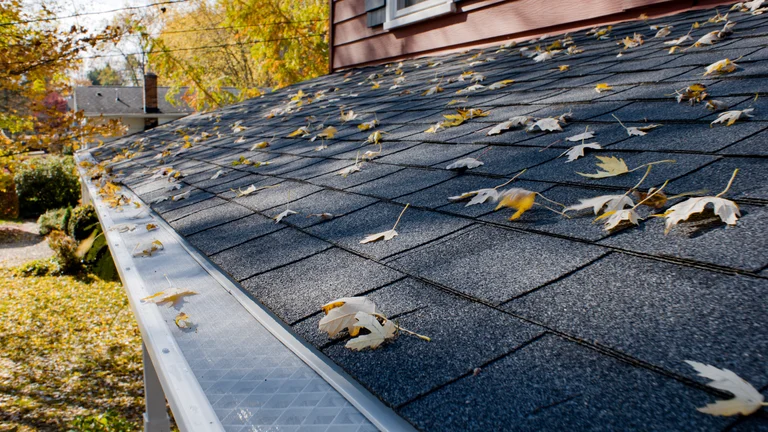
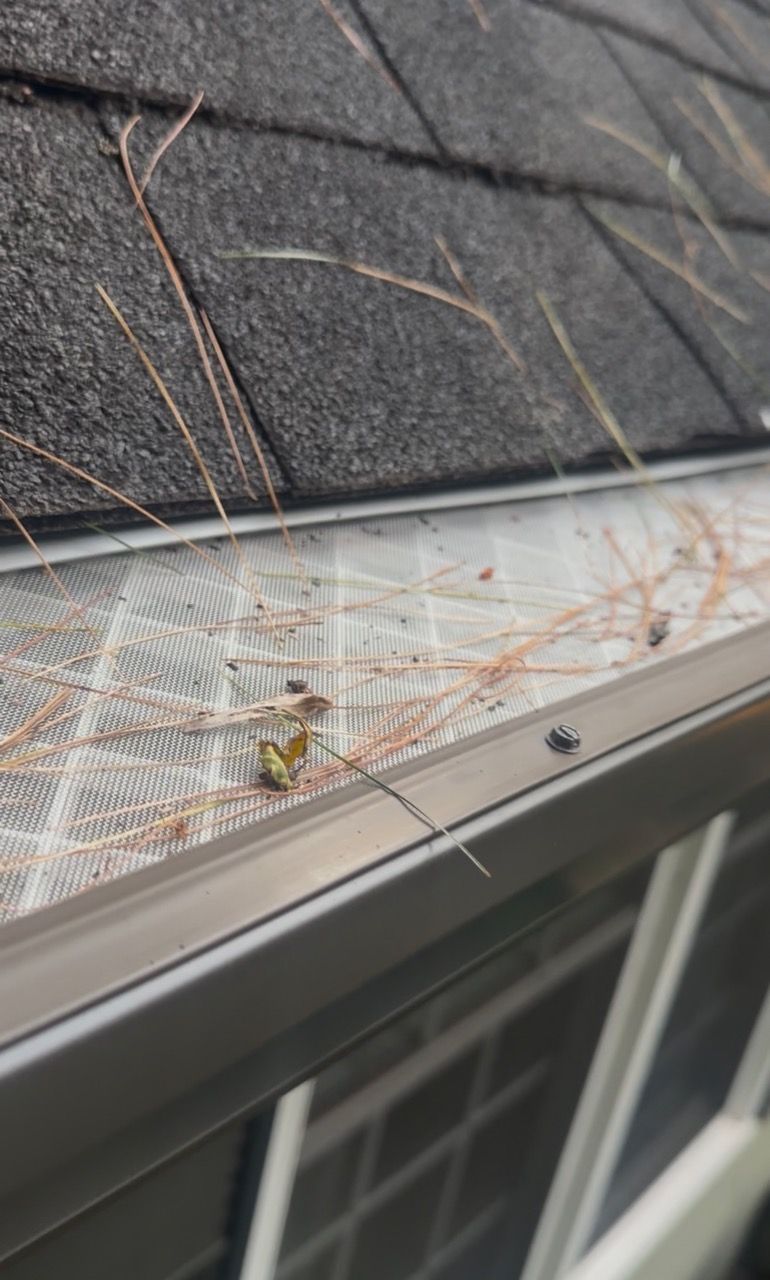
Walk down the gutter aisle at any home-improvement store near Greenville and you'll find half a dozen products all promising the same thing: no more climbing the ladder. They are not the same. Some genuinely end gutter cleaning; others just move the chore around — or make it worse. This guide breaks down the six main types of gutter guards, how each one actually works, its honest pros and cons, and which type holds up best under the pines, oaks and summer storms of Upstate South Carolina.
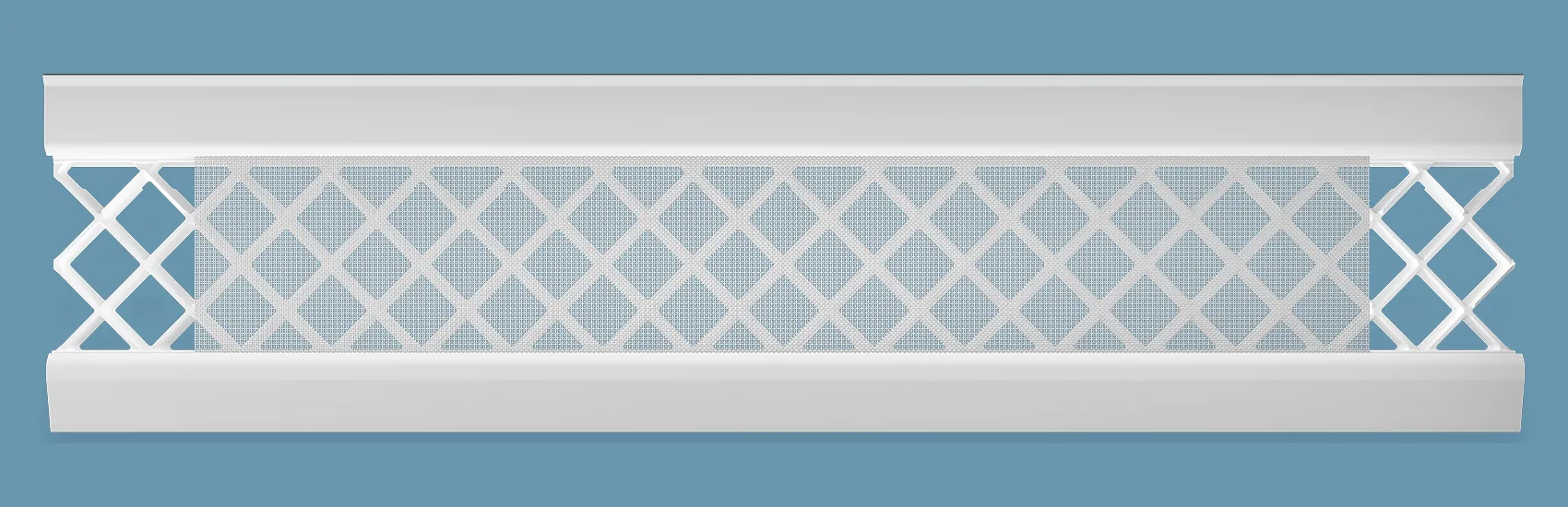
Before we get into the details, it helps to know what a gutter guard is really trying to do. In a place like the Upstate — long growing season, dense tree canopy, heavy downpours — a good guard has to keep out debris and pass every drop of water in a cloudburst, without holding moisture or lifting your shingles. Keep that standard in mind as you read: most types fail on at least one count.
- There are six common gutter guard types: micromesh, reverse-curve hoods, metal screens, vinyl snap-ins, brush and foam.
- Micromesh blocks the widest range of debris and lasts the longest — the top pick for tree-heavy lots.
- Cheap DIY inserts (foam, brush, vinyl) save money now but often clog or fail within a few Upstate seasons.
- How a guard attaches matters — anything slid under your shingles can risk your roof warranty.
The six main types at a glance
Gutter guards fall into two broad camps. Rigid covers — micromesh, reverse-curve hoods and metal screens — sit on top of the gutter and are usually installed for the long haul. Drop-in inserts — vinyl screens, brush and foam — go inside the trough and are cheap, DIY-friendly, and shorter-lived. As a rule, the more debris a type blocks, the more it costs and the more it benefits from professional installation. The sections below walk through each one in order, roughly best to most limited.
Micromesh (stainless steel)
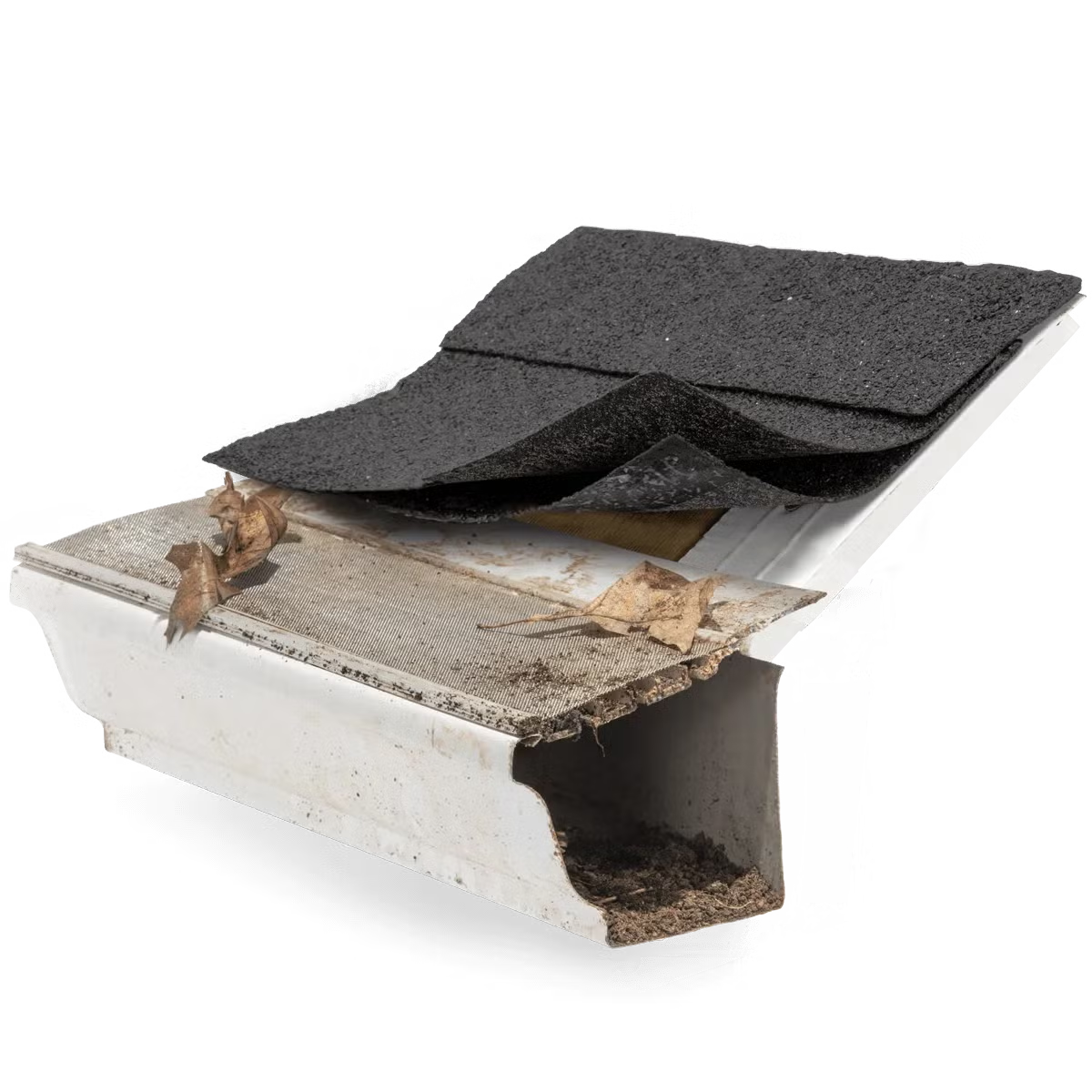
Micromesh guards lay a finely woven stainless steel screen over a rigid frame that mounts to your gutter or fascia. The weave is fine enough to shed leaves, seed pods, shingle grit and even the thin pine needles that slip through everything else, while water passes straight through. It is widely considered the highest-performing category, and it's the only type engineered to keep working in dense tree cover without regular cleaning.
- Blocks the most debris — down to fine pine needles and roofing grit.
- Longest lifespan — 20+ years, and quality systems carry a lifetime, transferable warranty.
- Very low maintenance — an occasional surface wipe-down instead of scooping.
The trade-offs: micromesh costs more up front than any insert, and it should be professionally installed so the frame is pitched correctly and the gutters are cleaned and re-sealed first. Off-brand versions on flimsy frames can sag or lack a real warranty — the mesh concept is only as good as the frame and the install behind it.
Reverse-curve / surface-tension hoods
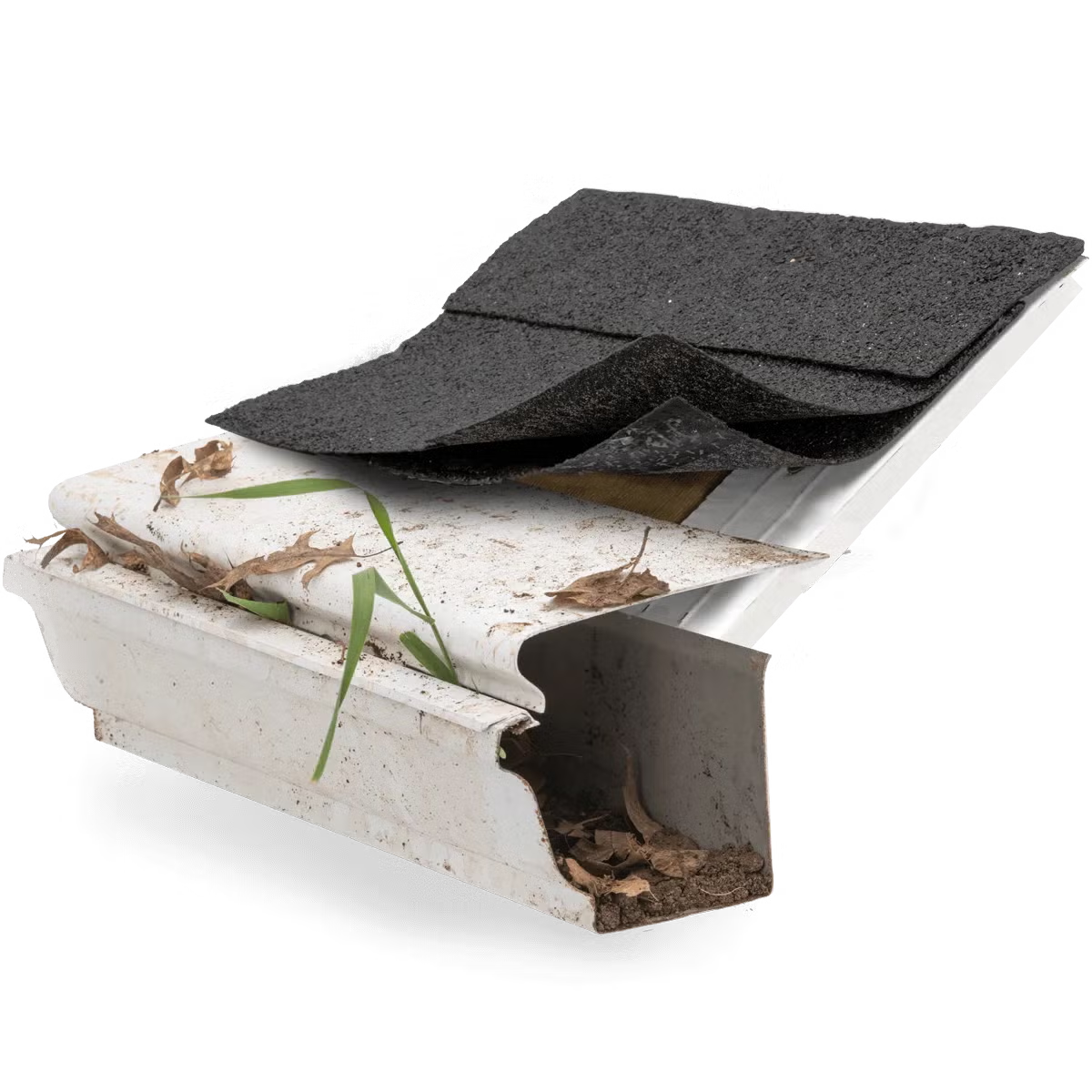
Reverse-curve guards — sometimes called surface-tension guards, hoods or helmets — are solid covers with a curved front edge. Water clings to that curve and wraps around into a slot between the guard and the gutter lip, while leaves are meant to tumble off the front. They're sturdy, handle good water volume, and often come with a warranty.
The catch is that open slot. It lets smaller debris ride in with the water, so pine needles and shingle grit still accumulate over time. Many hoods also install under the first row of shingles, which can lift them and put your roof warranty at risk, and heavy Upstate downpours can overshoot the nose entirely — sheeting water past the gutter.
- Ask whether the guard slides under your shingles — that can void a roofing warranty.
- On steep or high-flow roofs, ask how the hood performs in a downpour, not just a drizzle.
- The slot opening means some fine debris will still get in — plan for occasional flushing.
Perforated & aluminum screens
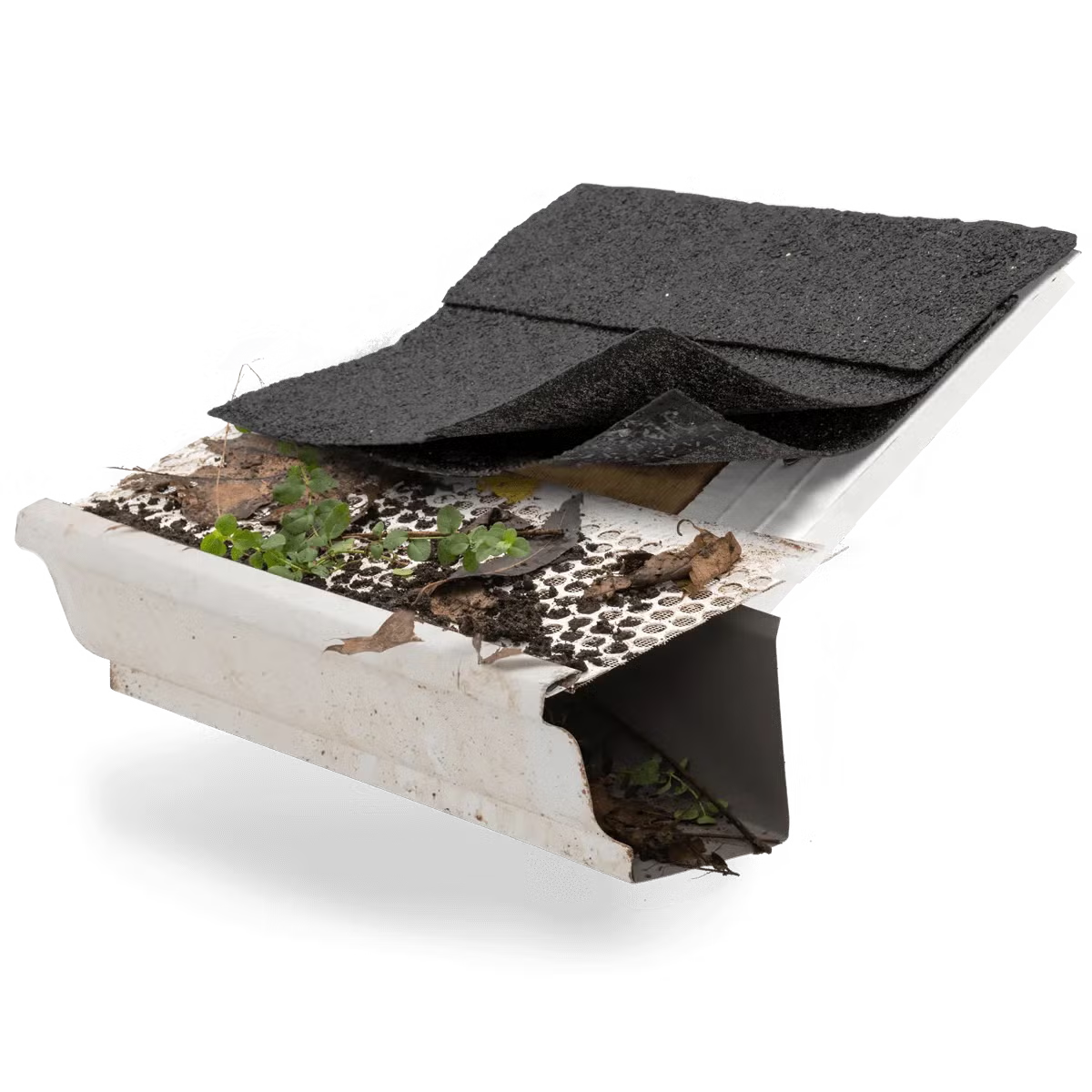
Screen guards are rigid perforated panels — plastic or, better, aluminum — that lay across the gutter. The holes are large enough to pass water freely and stop big leaves. Aluminum mesh versions have finer holes than basic perforated screens and hold up longer, but the principle is the same: they filter big debris, not small.
- Affordable and DIY-friendly — a solid step up from bare gutters for light debris.
- Good water flow — the open area passes rain easily.
- Aluminum lasts longer — roughly 10–15 years versus 5–10 for plastic.
But seeds and pine needles slip straight through the holes and still settle in the trough, so screens usually need cleaning at least once a year. Plastic versions grow brittle in the sun and can blow out in a storm, and some designs tuck under the shingles — the same roof-warranty concern as hoods.
Vinyl snap-in screens
Vinyl snap-in screens are the lightweight, flexible cousins of metal screens. They clip or snap onto the front lip of the gutter with no fasteners and are the easiest guard to install yourself — a spring afternoon and a ladder is all it takes. For a small ranch home with light leaf drop, they can be a reasonable, low-cost fix.
The problem is durability. Vinyl becomes brittle and warps in South Carolina's summer heat and UV, the clips loosen, and a strong storm can pop whole sections loose and send them into the yard. Like all screens, the openings let fine debris through, so you're still cleaning the gutter underneath.
"The cheapest guard isn't the one with the lowest sticker price — it's the one you never have to touch again."
— Upstate LeafFilterBrush inserts
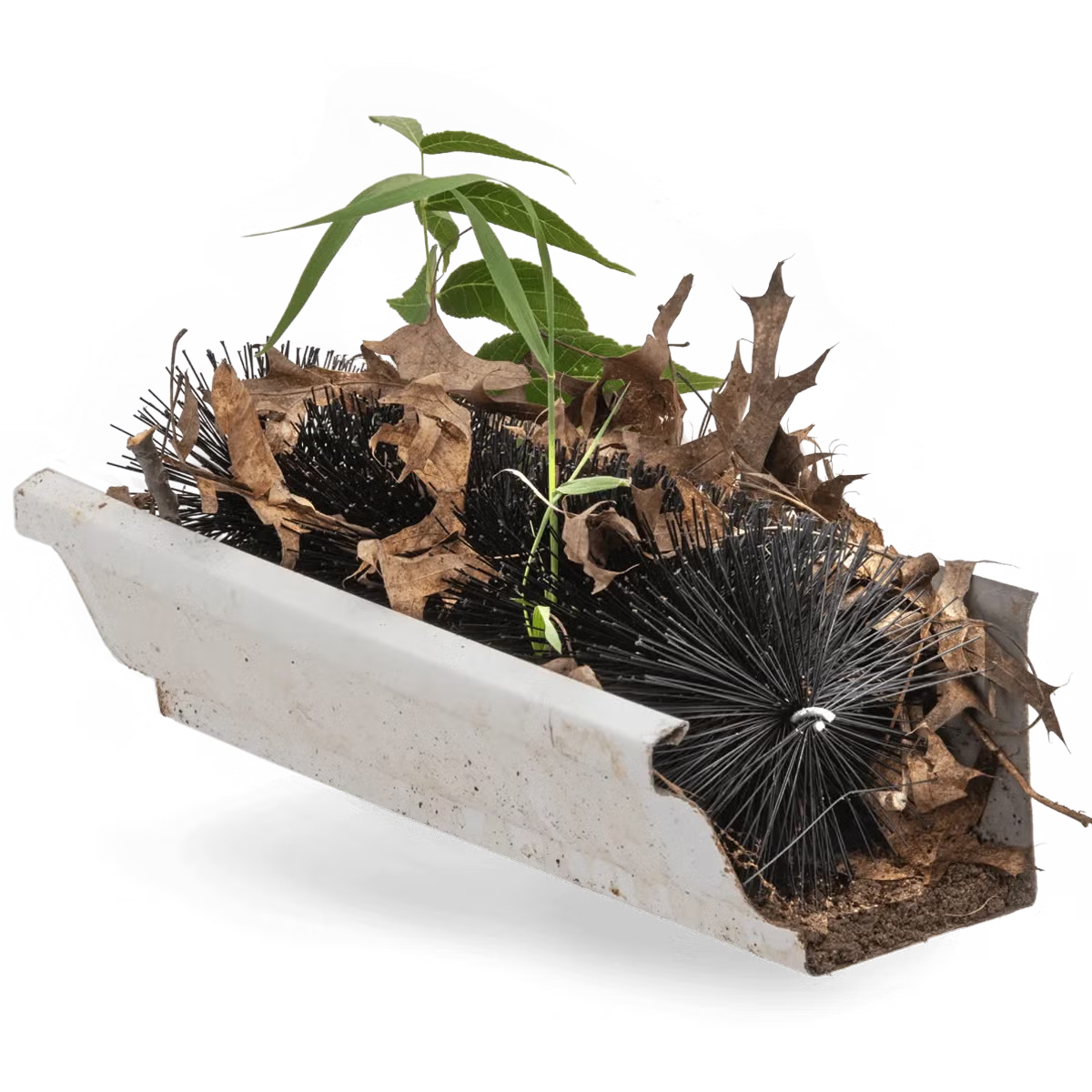
Brush guards look like an oversized pipe cleaner — a wire spine wrapped in bristles that you drop into the gutter. Water flows around the bristles while leaves are meant to rest on top. They're cheap, install in minutes, need no tools, and can even go into downspouts.
In practice, the bristles grab and hold every needle and small leaf that lands in them, like Velcro. Debris packs down into the brush, water starts channeling around the clog, and cleaning them means pulling the whole insert out to shake it clean. On a pine- or oak-heavy Upstate lot, a brush guard can leave you worse off than bare gutters, and they typically need replacing after about five years.
Foam inserts
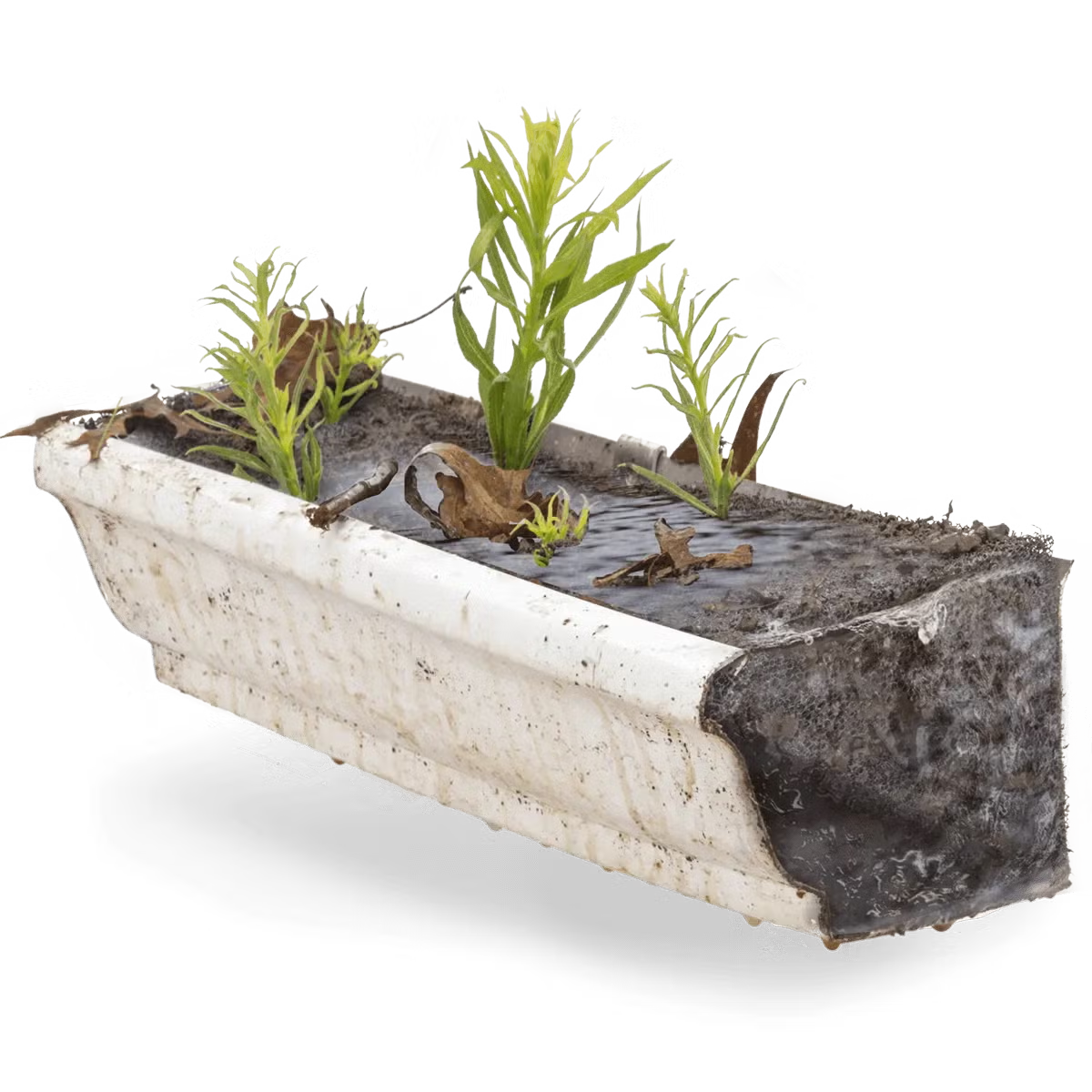
Foam guards are wedges of porous polyurethane that fill the gutter so water soaks through while debris rides over the top. They're the cheapest option, cut to fit any gutter, and install in seconds. On paper it's a tidy idea.
The reality in a humid climate is unkind. Foam stays damp, and damp foam breeds mold, mildew and — genuinely — seedlings sprouting inside your gutter. Fine debris collects on the surface, water can't pass fast enough in a heavy downpour, and the foam breaks down and needs replacing every two to five years. For the Upstate's humidity and storms, it's the type we'd steer homeowners away from first.
Not sure which type fits your home?
Every roof, tree line and gutter run is different. Get a free on-site assessment from a local Upstate crew — we'll tell you honestly what your home needs and lock the quote in for 12 months.
How to choose the right type
With six types on the table, the decision comes down to a handful of questions specific to your home. Run through these before you buy:
- What's dropping on your roof? Under pines you need the fine filtration of micromesh; a few deciduous trees may get by with a screen.
- How much rain? The Upstate gets real downpours — rule out foam, which can't keep up with heavy flow.
- How does it attach? Favor guards that mount to the fascia or gutter, not under your shingles.
- How long should it last? Match the lifespan to how long you'll own the home — micromesh outlives every insert several times over.
- Is there a real warranty? A lifetime, transferable no-clog guarantee is worth far more than a receipt.
One number puts the choice in perspective: lifespans range from about 2–5 years for foam up to 20+ years for stainless micromesh. A guard you replace three or four times isn't cheaper — it just spreads the cost out.
The best type for Upstate SC homes
For most homes around Greenville, Greer, Simpsonville and Easley, the answer lands on professionally installed stainless steel micromesh — and it's the trees that decide it. So many Upstate lots sit under mature pines and oaks that fine filtration isn't a luxury; it's the difference between a guard that works and one you're cleaning by fall. Micromesh is the only type that reliably keeps needles out, and the only one built to shrug off our humidity and summer storms for decades.
That doesn't make the other types worthless. A metal screen can be a fair, budget-conscious choice on a small home with only a couple of deciduous trees and easy roof access. But if your goal is to stop cleaning gutters rather than just do it less often, micromesh is the type that gets you there — which is exactly why it's what we install across the Upstate.
"In a place this green, the guard has to beat pine needles. That single test knocks out almost everything but micromesh."
— Upstate LeafFilterNo gutter guard is truly maintenance-free, and any installer who promises otherwise is overselling. But choose the right type for your trees and your climate, install it correctly, and back it with a real warranty — and you can retire the ladder for good.
Frequently asked questions
Keep reading