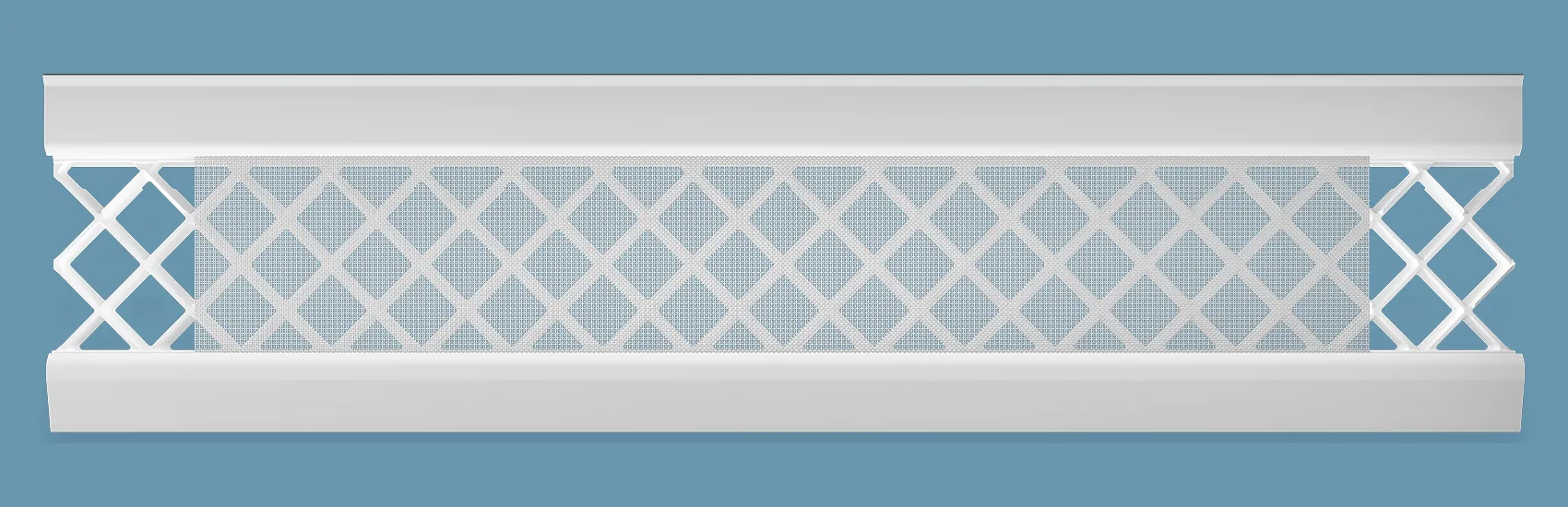
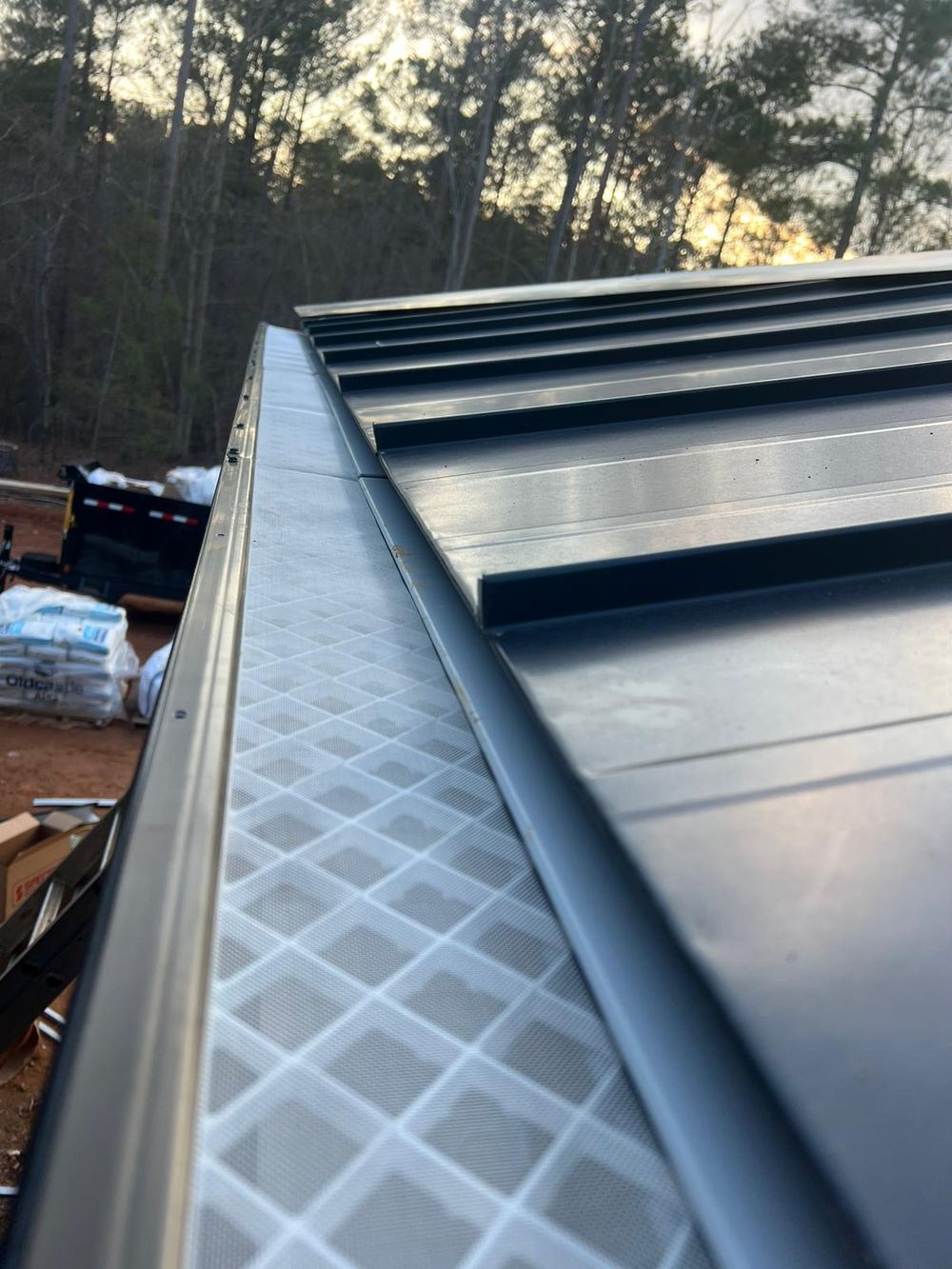
Gutter guards get pitched two ways: either as a miracle that ends yard work forever, or as an overpriced gimmick that just moves the clog to a new spot. The truth sits in between — and it depends heavily on where you live. Under the pines and oaks around Greenville, Greer and Simpsonville, the math looks very different than it does on a treeless lot.
This is the honest version: the real benefits, the drawbacks nobody likes to mention, and a straight answer on whether guards are worth it for an Upstate home.
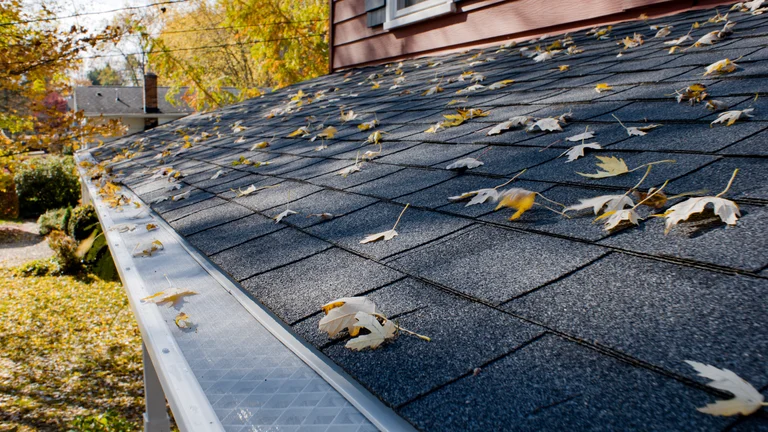
The pros of gutter guards
Start with the upside, because it's substantial when the guards are good. A quality gutter-protection system does far more than skip a chore.
- No more ladder cleanings. This is the headline benefit — the twice-to-four-times-a-year scoop-out simply ends. That matters most for two-story Upstate homes where a fall is a genuine risk.
- They prevent clogs and overflow. By keeping leaves and pine needles out, guards keep water flowing to the downspouts instead of sheeting over the edge during a summer thunderstorm.
- They protect your foundation and siding. Overflowing gutters dump water against the fascia and beside the foundation. Guards keep that water where it belongs, cutting the risk of wood rot, erosion and basement moisture.
- They deter pests. A covered gutter is no longer a convenient nesting spot for birds, squirrels, mosquitoes and wasps looking for standing water and packed debris.
- They extend gutter life. Debris holds moisture, and standing water rusts and warps gutters and sags the hangers. Keep gutters clear and dry and they last years longer.
- Fire-ember and winter benefits. Metal micromesh keeps dry, flammable debris out of the trough, and clear gutters are far less prone to the ice dams that follow an Upstate cold snap.
- Two-story homes where cleaning means real fall risk.
- Lots shaded by pines, oaks and sweetgums that shed year-round.
- Homes with a history of overflow, fascia rot or foundation moisture.
- Owners who'd rather never touch a ladder again.
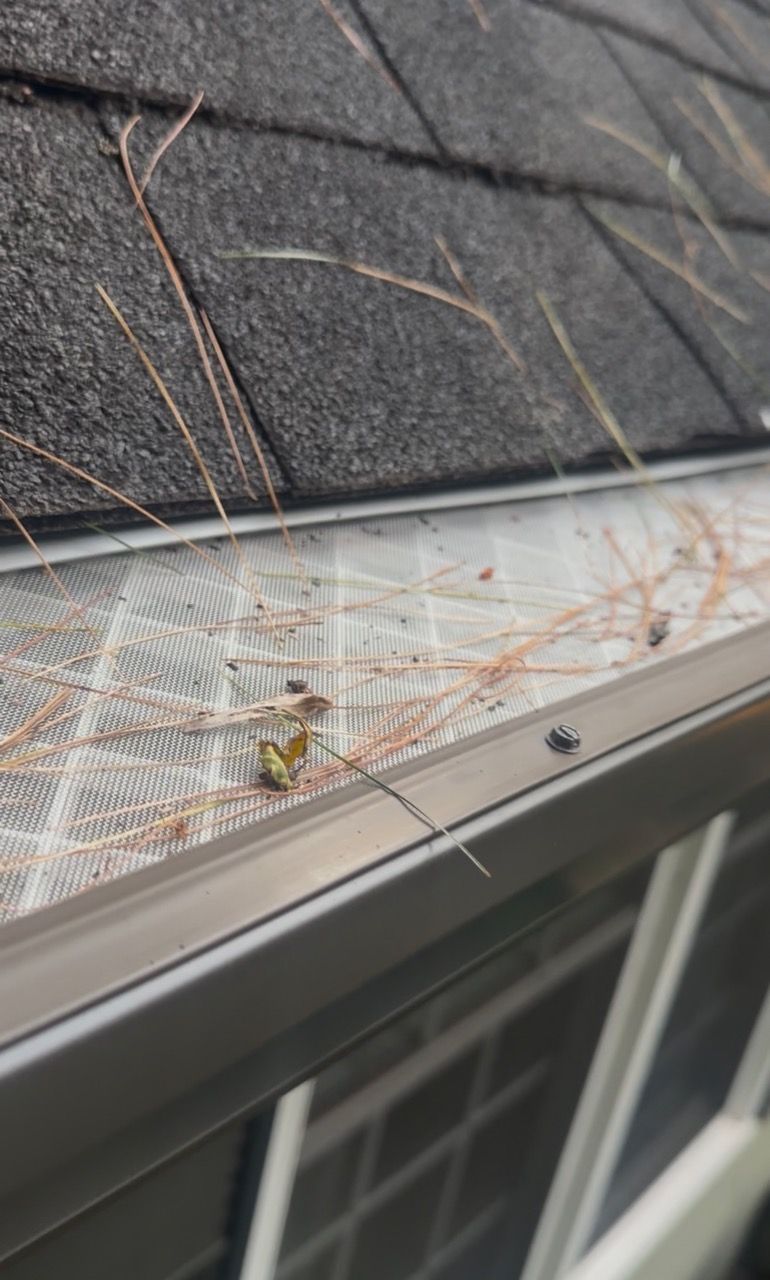
The cons of gutter guards
Now the part the ads skip. Gutter guards have real drawbacks, and pretending otherwise does homeowners no favors.
- The upfront cost. A quality system costs more than a single cleaning — it's a one-time investment, not a small one. If you have few trees and rarely clean, that math is harder to justify.
- Cheap guards can make things worse. Wide screens let shingle grit through, foam inserts absorb water and rot, and brush guards catch pine needles like a comb. A bad guard doesn't stop clogs — it hides them where you can't see them.
- They're not truly maintenance-free. Even the best micromesh may need an occasional brush-off of fine debris on top, plus a quick inspection once or twice a year. Much less work — but not zero.
- Reverse-curve and hooded styles can overshoot. In a hard Upstate downpour, water can run too fast across a curved hood and spill past the gutter entirely.
- Bad installation can cause damage. Guards that lift shingles or aren't pitched right can create gaps, sagging or fascia damage — and some styles can void a roof warranty if they slide under the shingles.
- DIY carries real risk. Fitting guards yourself means the same ladder work, roof edges and two-story heights you were trying to avoid — plus the chance of installing them wrong.
"The worst gutter guard isn't the one that clogs — it's the one that clogs where you can't see it and lets you stop checking."
— Upstate LeafFilterCost vs. long-term value
The upfront price is the con everyone fixates on, so it's worth running the actual numbers. In the Upstate, most homes get cleaned two to four times a year thanks to the tree cover. Even at a conservative two cleanings, that's a recurring bill that never stops.
Stretch that across ten or fifteen years and the cleanings quietly add up to thousands of dollars — money spent to get back to square one each time. A quality guard is paid once and then works quietly in the background.
- The recurring path: 2–4 cleanings a year, forever, plus the eventual overflow-damage repairs when one gets skipped.
- The one-time path: a single install that ends cleanings and comes with a lifetime, transferable no-clog warranty.
- The hidden avoided cost: fascia rot and foundation water damage in the Upstate can run into the thousands — the kind of bill guards are designed to prevent.
Guards can also be a genuine selling point when you list the home. To a buyer, "lifetime gutter protection installed" reads as one less thing to worry about.
- You already pay for cleaning more than once a year.
- Your home is two stories or has a steep, hard-to-reach roof.
- You're surrounded by mature Upstate trees that shed constantly.
- You plan to stay long enough to bank the ended-cleaning savings.
Want to know if guards actually pencil out for your home?
Answer a few quick questions about your roofline and trees and we'll give you a free on-site quote — with a straight answer on whether protection is worth it for you.
Which type minimizes the cons
Most of the "cons" above are really problems with cheap guards, not guards in general. The type you choose decides how many drawbacks you actually live with.
- Foam inserts: cheapest, and worst for the Upstate — they soak up water, trap fine debris and break down within a couple of seasons.
- Brush guards: bristle "pipe cleaners" that catch pine needles instead of blocking them. A temporary fix at best.
- Screen guards: better, but wider openings still let shingle grit and small debris through, and thin plastic versions warp in the sun.
- Reverse-curve / hooded: sturdy, but the curved-hood design can overshoot in heavy rain and is visible from the ground.
- Stainless micromesh: the fine steel mesh filters out even pine needles and grit while water passes through — the design that removes the most drawbacks in a tree-heavy climate.
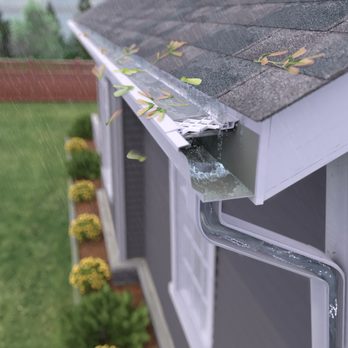
The lesson from the cons list is simple — the drawbacks scale down as the quality scales up. Choose micromesh and most of the "gutter guards don't work" horror stories stop applying to you.
The verdict for Upstate homes
So, pros or cons — which wins? For a home on a bare lot in a dry climate, guards are a genuine "maybe." But that's not the Upstate. Here, between the long growing season, the dense pine and oak canopy, and the storms that overwhelm clogged gutters, the pros consistently outweigh the cons — as long as you buy a quality system and have it installed correctly.
Skip the foam and brush inserts, be honest that no guard is 100% maintenance-free, and treat the upfront cost as what it is: paying once instead of forever. On those terms, gutter guards are one of the better long-term calls an Upstate homeowner can make.
"Under Upstate pines, the question isn't really whether guards are worth it — it's whether you want to keep renting a solution or finally own one."
— Upstate LeafFilterFrequently asked questions
Keep reading